
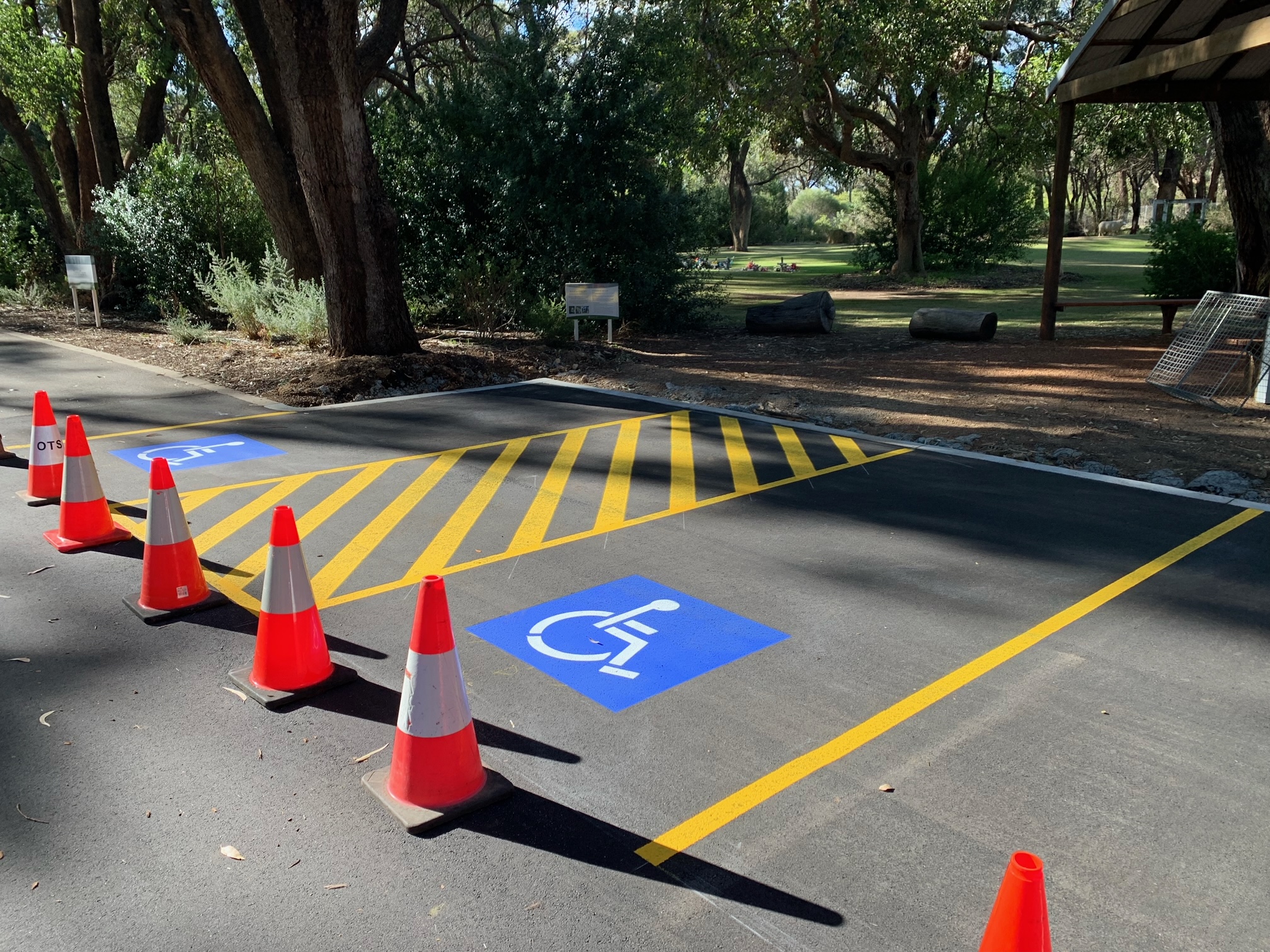
Faded Lines are a Liability: Why Re-Striping Your Parking Lot Needs Expert Line Marking
It’s unfortunate to know that many people do not often think twice about those painted lines beneath their tyres.
Every day, drivers would pull into bays, follow the arrows, and try to avoid scraping a pillar, until one day, these markings were not that visible anymore.
And that’s when everything changes.
Cars park with faded or confusing striping become a strange kind of no-man’s land where hesitation replaces flow, risk replaces routine, and complaints start piling up.
That’s usually when facility managers realise they need professionals like Delineation Line Marking to sort things out before someone actually causes damage or lodges a formal complaint.
It’s funny how something so simple, just paint on asphalt, right? quietly shapes the way people move.
Businesses across Perth, Mandurah, Rockingham, Bunbury, Busselton and basically all over WA eventually find out the hard way: when these lines go, order goes with them, too.
Re-striping isn’t just tidying up. It’s maintenance. It’s safety. And honestly, it’s a liability issue that barely gets the attention it deserves.
That’s why expert line marking is essential.
Why Parking Lots Don’t Age Gracefully (Even When Everything Else Looks Fine)
A parking area can look perfectly functional from far away. The pavement’s intact, the lights work, the kerbs aren’t crumbling. But paint? Paint ages like milk in summer.
Heat, UV exposure, sudden cold snaps, traffic, oil drips, and even the cheap paint used during the last “budget job”, all these can add up. Western Australia’s weather swings don’t help.
A week of blistering sun in Perth followed by a downpour, then a hot spell again? No chance those lines are lasting longer than they have to.
A few things start to happen, often slowly enough that no one notices: Arrows fade to half-arrows, disability bays lose clarity, and speed control markings become more suggestion than instruction.
Eventually, drivers start parking at odd angles because they genuinely can’t tell where the bay ends.
And that’s when the domino effect kicks in.
A little confusion turns into slower traffic, which leads to frustration, then the odd fender bender, and before long, you’re dealing with complaints and potential liability.
Many business owners don’t realise that once their line markings start to fade, they can actually be held responsible for accidents caused by poor visibility. And the worst way to find that out is through a letter from a lawyer.
The Legal and Safety Side
No one wakes up in the morning thinking, “Ah, yes, today I’ll dive into my legal responsibilities around line marking!” But ignoring them isn’t worth it.
Australian standards for line marking (AS 1742 for roads and traffic control) exist for a reason. It emphasises the importance of clear spacing, visibility, colour standards, and reflectivity. These are mandatory and not optional.
Even if the car park is not technically considered a public road, it still should adhere to the same logic. People use it every single day, most times in a hurry. Sometimes, distracted and tired.
If someone gets tripped over a speed bump that they did not recognise since it’s missing the yellow paint, well, your business could get in trouble.
Also, if a delivery truck driver ends up misjudging a loading zone since the markings have worn off, well, that’s an even bigger problem.
Another thing that could get you in trouble? Those emergency vehicles cannot identify designated access areas because of faded lines.
Why DIY Line Marking Almost Always Ends Badly
Sure, you could technically buy some paint, a roller, maybe one of those little line-marking machines and call it a day. But these DIY jobs rarely end well.
One slightly crooked line becomes several crooked lines. Drying times get ignored. Wrong paint type. No surface preparation. The stencilling looks like an abstract art piece someone lost interest in halfway through.
And the worst part? It fades within months. Sometimes weeks.
Professional line markers will not only “paint lines”. They take time to analyse the situation since they know how materials behave on Western Australia surfaces.
These professionals have carried out line markings in the region for many years, so they know exactly why a particular warehouse may require a totally different product than those used in an asphalt car park in M andurah.
Before they start working, they will measure, plan, and prep. They work quickly enough, so drivers won’t be left wandering around confused because half the lot is blocked off for days.
How Professional Line Marking Improves Traffic Flow (More Than You Probably Expect)
People underestimate how much behavioural influence a simple arrow can have on people.
There’s a reason why airports, hospitals, university car parks, and high-traffic commercial spaces treat line marking with almost military seriousness. They understand that the way people move depends on these visual cues.
Think about your last visit to a shopping centre car park. If the markings were clear, you barely noticed. Everything worked. You knew where to turn, where not to go, how fast to drive, and where you were allowed to park.
But when those markings fade to the point where they barely guide anyone? That’s when things start to fall apart.
Professional re-striping restores everything that’s been missing.
It brings back predictability, giving drivers the confidence to move the way they’re supposed to. Plus, it improves efficiency, as it helps vehicles enter, park, and exit without unnecessary hesitation or backups.
Most importantly, it boosts safety, preventing those all-too-common reverse-out bumps and near misses.
Flow and structure minimise frustration, both for customers and staff.
Local Conditions Demand Local Expertise
A Perth car park doesn’t age like a Melbourne car park. Or a Sydney one. The climate of Western Australia is harsher, drier, hotter, and sometimes more unpredictable.
Paint behaves very differently when your asphalt turns into a frying pan for three months of the year. In coastal areas like Bunbury or Busselton, they have to deal with the presence of salt in the air, which could easily eat away at markings.
Meanwhile, inland industrial sites around Perth have to deal with heavy vehicle traffic that could grind the paint down fast.
Re-striping professionals in Western Australia are very familiar with these nuances.
They know which paint can stand up better to harsh UV rays and which thermoplastics can survive the constant traffic of forklifts. They also know that coastal fading is totally different from inland fading. Plus, they understand how humidity can affect curing times.
Car Parks Aren’t the Only Places That Need Fresh Lines
Many people thought that “line marking” is only applicable to car bays and directional arrows. But the truth is, almost every businesses rely on clear striping in areas.
Warehouses
Inside warehouses, markings like forklift lanes, pedestrian walkways, and emergency evacuation paths are crucial for safety.
Industrial facilities in Western Australia must meet strict safety standards, and those standards depend on visibility. Even a small area of fading paint can make it harder for people to judge boundaries or recognise hazards
Roadways and Civil Infrastructure
Regional roads, private access lanes, and shared commercial spaces all need clear markings. Without them, risks can escalate quickly, most especially at night or during heavy downpour.
Re-striping not only ensures compliance but also helps drivers react more effectively, which greatly minimises the chance of accidents.
Schools and Sporting Grounds
Crosswalks, drop-off zones, and sports courts all rely on crisp, visible markings to keep children safe and events running smoothly. Clear lines prevent confusion and help maintain a safe space for everyone.
Shopping Centres and Retail Precincts
High-traffic areas wear out markings faster than owners often realise.
Regular re-striping extends the lifespan of the area. It helps keep the traffic flowing efficiently and ensures customers and staff are safe.
Good Marking Doesn’t Just Guide People, It Communicates Values
If your car park is well-kept, you are sending a quiet but strong message to your customers: this business pays attention, it prioritises safety, and it respects the time of the people who visit.
A faded, cluttered, or uneven car park sends a message, too, just not the kind any owner wants.
Whether we like it or not, people judge far quicker than they admit. And because the car park is often the very first part of a business someone interacts with, it sets the tone.
When the lines are clear, the space is clean, and everything feels organised, it builds trust before a customer even reaches the front door.
Even the staff will notice the difference. You’ll be surprised how much morale is lifted when the place they work at each day feels tidy, safe, and well cared for!
Choosing the Right Line Marking Team (Without Making It a Drama)
When businesses start looking for line marking in Perth or regional WA, the first thing they usually compare is price, which is totally understandable. But the truth is that there’s a huge difference between a cheap job and a professional one.
You certainly want to pay for a company that genuinely specialises in civil, commercial, and industrial marking, not someone who treats it as a side gig.
They should be using Australian-compliant materials, understanding how the local climate affects durability, and able to show real examples of work they’ve done.
It also helps if they offer ongoing maintenance or scheduled re-striping, and of course, they shouldn’t be cutting corners, literally or figuratively.
A team like Delineation Line Marking meets all those standards because this is their entire focus, not an optional extra.
And when you want the job done right, that kind of difference really matters.